Articles

Generating Traffic With A Successful SEM Campaign

Jun 22, 2022
6 min read
By Raven & Macaw Team
Generating Traffic With A Successful SEM Campaign

Is your business page not driving enough traffic as it should? 

Here is a read on using Search Engines to market your products or services to increase your visibility on Search Engine Result Pages and SERPs. Search Engine Marketing, SEM, is a marketing strategy to improve a website’s online visibility in SERPs. Like Search Engine Optimization, SEM can include techniques like rewriting a website’s content to achieve higher rankings. However, SEM refers to paid search or PPC. 

While there are many ways to attract new visitors to your website, Search Engine Marketing differs and may be the best for a business. A business can advertise on a search engine page when specific keywords are used in an online inquiry. Advertisers commonly bid on industry-specific phrases and word sets or highly relevant to a particular product or service. In that way, businesses have their ads placed in front of users alongside searches for queries.  

Businesses should focus on selecting a proper keyword strategy. You may think Search Engine Optimization and Search Engine Marketing are the same, but they differ. Using SEM gives you more control over your digital marketing efforts. SEO is suitable for a highly targeted optimization effort. SEM focuses on a larger tray of keywords while ensuring similar visibility is a success. 

A strength of SEM is that it gives you the opportunity as an advertiser to put your ads in front of motivated customers at the right time they want to make a purchase. It is a guarantee that SEM is a powerful way to drive traffic to your website, especially for a starting business. In addition, SEM tends to draw many first-time visitors to your pages. There is no other way to do this than Search Engine Marketing, which makes SEM a very effective way to promote your business. You pay a search engine to advertise for you. Very easy.

The Groundwork of Search Engine Marketing
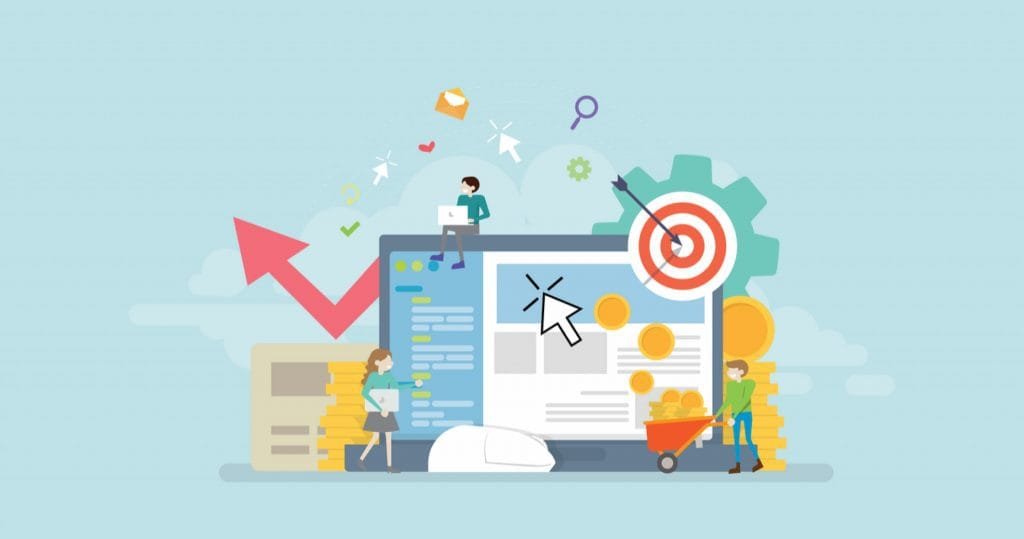
SEM  for traffic generation

Know Your Target Audience

The first key to success is knowing the people you are targeting. Understanding your audience can produce more effective ads for the right people.

The easiest way to do that? Well, your current potential customers can always be your starting point. But, first, create a survey or questionnaire to know what they like and dislike about the products, habits and even locations.

It will be hard to know everything about them, but understanding a little about them through those survey sheets will give you more understanding of the people to target and how to launch a successful set of ads.

Keywords!

Keywords form the basis of search Engine Marketing, which should not be much of a surprise. First, you must conduct comprehensive keyword searches as the number one keyword management strategy. Then, identify keywords relevant to your business and likely to be used by customers when searching for products or services. A thorough keyword search will help you discover your business’s right keywords and identify negative ones. Negative terms aren’t harmful, but they are irrelevant to whatever you are offering. 

For example, if you sell ‘clay pots’, you might want to use keywords like; “Ways to use a clay pot”; avoid keywords like “the best type of clay for a DIY vase” unless you’re also selling ‘clay’. You definitely won’t drive customers with the latter keyword term.

Comprehensive keywords will make your ad appear on people’s screens. Go for less but specific keywords for your products. This will give you the best traffic. Uncommon keywords are superlative in maximizing the value of every click.

Ad Auctions

To grow your business, be ready to invest in SEM, and once you are prepared, you will need to participate in ad auctions. We will look at ad auctions in Google Ads.

Every paid ad on Google’s SERPs had to go through an auction.

To enter an ad auction, you must identify the keywords you want to bid on and clarify how much you are willing to spend per click of each keyword because, of course, you’re dealing with a pay-per-click system. Google then determines if your keywords are obtainable or within a user’s search query, and then you are entered into the ad auction.

However, not every ad will appear on every search related to that keyword. Some keywords don’t have much or no commercial intent to allow them to include ads on the page. For instance, typing ‘Content Creation’ into Google will not show any ads on your screen.

Even if your keyword is a good fit for an ad, it may not necessarily mean you will win the bidding. This is because the ad auction considers two main factors to determine if your ad is worthy of being on the SERP – your maximum bid and your ad quality score. Remember, the more relevant your ad is to a user and how likely will a user click on your ad and enjoy it all add to your Quality Score.

Once you’re set to use SEM, research relevant and commercial intent keywords, enter Ad Auctions and pay for your ads to appear on the SERPs. All these and adopting an SEM strategy that requires you to optimize paid search ads with a specific goal in mind. You must understand how paid ad platforms work and effectively manage variables that affect performances, such as keywords, budget and copy.

Maximize the Strategy for CPC Targets

Cost Per Click is the actual price you are prepared to pay for every click. You may need to consider a few things before deciding on a deserved CPC. Think about the proposed bid, the role of digital in your general ads budget, the campaign aim and how competitive it is. Cost Per Click is significant because it is the number that will determine how financially successful your paid search campaigns are and how much Google Ads will cost for you.

Customize Your Landing Pages

Landing pages are essential to the success of SEM. It is where every individual would be directed after clicking your ad link. Make sure your landing page is fine-tuned and related to the ad.

Also, it is advised not to use a single landing page for all your ads. Not all roads lead to Paris, right? So to avoid bounce rates and other related setbacks, make sure your different ads direct individuals to the particular but ad-related pages. 

Explore Several Search Engines

Trying your campaign on several search engines will result in more traffic. Google is the most favoured search engine; that doesn’t mean you should stick only to it. More of your potential customers may come from other less popular search engines like Yahoo, Bing and a few others. These are more cost-effective and competitive.

Remember, paid ads are often more effective and likely to appear on the top of search engine result pages. Therefore,  you can adopt, use and optimize Search Engine Marketing to advertise your products and services to improve your website’s visibility on the internet. So, use the digital tools available to your advantage, or better still, use SEM.

Published on Jun 22, 2022
By Raven & Macaw Team
Category: Articles
Share this post:

Enjoyed this post?

Get more insights delivered to your inbox. Subscribe to our newsletter for the latest updates.

Browse More Posts

Related Posts

Continue reading with these related insights and articles

SEO for the Nigerian Market: How to Rank on Google (Even if You’re a Small Business)
Articles
Oct 22, 2025
5 min read

SEO for the Nigerian Market: How to Rank on Google (Even if You’re a Small Business)

Let’s be real: in today’s digital Nigeria, if your real estate listings don’t show up on Google, you’re losing money. When a potential buyer in Lagos is searching for “3-bedroom apartment for rent in Lekki,” or an investor in Abuja is looking for “land for sale in Guzape,” are they finding your properties or your competitor’s? Many real estate agents and developers in Nigeria believe that ranking on Google is a complex, expensive game reserved only for big, established firms. The truth is, that’s a myth. With the right strategy, a small agency can compete with the giants and win in local search results. This guide is your roadmap to demystifying SEO for the Nigerian real estate market. We’ll break down the essentials, from finding the right keywords that serious buyers and renters use, to simple steps you can take today to increase your properties’ visibility on Google. Get ready to stop relying solely on referrals and turn your website into a powerful, lead-generating machine. Mobile Optimisation…Because Nigerians Are Always On The Go It’s no secret that the majority of internet users in Nigeria access the web primarily through their mobile phones. If your website is slow, difficult to navigate, or looks broken on a smartphone, you’re not just providing a poor user experience; you’re actively hurting your SEO. Google prioritises mobile-friendly websites, so a site that is responsive and loads quickly is more likely to rank higher in search results. For a real estate agent, this means ensuring your property listings and contact forms are just as easy to view and use on a phone as they are on a computer. A potential client on a bus in Lekki should be able to smoothly browse your properties and call you directly from their phone. Build Your Authority with Local Citations and Backlinks In the world of SEO, authority is built on trust, and one of the best ways to earn Google’s trust is by having other credible websites link back to yours. This is where local citations and backlinks play a crucial role. A citation is a mention of your business’s Name, Address, and Phone number (NAP) on another website, like a local business directory. Ensuring your real estate agency is listed on reputable Nigerian directories, such as VConnect or Finelib, is a great start. Additionally, a backlink, a direct link from another site to yours, is a powerful signal. You can earn these by guest posting on local blogs about property trends or by partnering with a local mortgage broker to be a resource on their website. The more high-quality, local links you have, the more authoritative your agency will appear to Google. The Power of Online Reviews: Your Digital Word-of-Mouth In Nigeria, word of mouth is a powerful marketing tool, and in the digital world, that’s what online reviews represent. When potential clients search for “real estate agent in Victoria Island,” Google often highlights businesses with a high number of positive reviews. Make it a part of your business process to ask satisfied clients to leave a review on your Google My Business profile. Respond to all reviews, both positive and negative, professionally and politely. This not only shows prospective clients that you’re an engaged and trustworthy business but also signals to Google that your business is active and cares about its reputation, which can directly improve your local search ranking. Harnessing the “Near Me” Search with Geo-Targeted Pages People are increasingly using “near me” searches to find local services. As a real estate business, you can leverage this by creating specific landing pages for each of your key locations. Instead of just having a general “Properties” page, create dedicated pages for “Properties in Lekki,” “Homes for Sale in Ikeja,” and “Land for Sale in Abuja.” Each of these pages should be rich with content that speaks to that specific area, including local landmarks, market trends, and a curated list of properties. This strategy helps you rank for precise, high-intent searches and proves to Google that you are a local expert in those precise locations. Technical SEO Basics: Making Your Website “Speak” to Google While all of the above strategies focus on content and credibility, technical SEO also plays a significant role. This is about making sure Google can easily crawl, understand, and index your website. A few key technical points to focus on include ensuring your website loads fast, that your property listings have unique and descriptive URL slugs (e.g.,https://ravenandmacaw.com/about/# ), and that you use proper title tags and meta descriptions for every page. These small but crucial details help Google understand exactly what your website is about, which is a fundamental part of getting it to rank for your desired search term. Do you plan on using SEO to boost sales and conversions for your business? Book our meeting with us today to get started.

By Raven & Macaw Team
READ
How to Set Up Your LinkedIn Company Page for Lead Generation
Articles
Apr 8, 2025
8 min read

How to Set Up Your LinkedIn Company Page for Lead Generation

LinkedIn has become a powerful lead generation tool for businesses today. With over 1 billion users, it is a goldmine for B2B marketers and companies looking to connect with decision makers, industry leaders and potential clients. However, simply having a LinkedIn company page isn’t enough—you need a strategic approach that combines organic engagement and paid advertising to turn LinkedIn into a consistent source of high-quality leads. In this blog, we’ll walk you through the essential steps to optimise your LinkedIn company page, craft a compelling content strategy, leverage employee advocacy, and use LinkedIn Ads & Sales Navigator for maximum lead generation. Whether you’re a startup or an established brand, this guide will help you transform your LinkedIn presence into a lead-generating machine. Optimise Your LinkedIn Company Page for Lead Generation Your page must be fully optimised to attract and convert potential leads. It must showcase credibility, communicate value, and drive engagement. Know that your LinkedIn company page is more than just a digital placeholder—it’s your brand’s storefront on the world’s largest professional networking platform.  Here’s what to do to achieve this:  1. Clear & Compelling Profile First impressions always count, and a well-structured and professional LinkedIn page can go a long way to ensure that. Your company should be high-quality and easily recognisable. It needs a professional cover image that aligns with your brand identity and reinforces your messaging. Consider adding a tagline, key service offerings, or a mission statement to the cover for an extra impact. Do not forget your company logo, which can also be used as a cover image.  Does your company have a tagline? This should appear right under your company name and should immediately communicate value. Make it clear, benefit-driven, and attention-grabbing. Example: “Helping Businesses Scale with Data-Driven Marketing.” The ‘About’ section of your page should be optimised. This is your opportunity to tell your brand’s story and optimise for searchability. Use relevant keywords that describe your industry, expertise, and unique value proposition. Structure your ‘About’ section with:  Who you are (Company background) What you do (Key services & solutions) Who you serve (Target audience) Why it matters (Unique selling points & benefits) How to reach you (Website, contact details) Complete All Sections: Fill out every section of your profile to boost credibility and discoverability. Ensure you’ve included: Website link Industry Company size Specialties (keywords help in LinkedIn search results) 2. Strong Call-to-Action (CTA) Your CTA is the bridge between profile visitors and conversions. Make it clear and action-driven to encourage users to take the next step. Use a Customisable CTA Button: LinkedIn allows you to add a call-to-action button to your company page. Choose from options like: Sign up (for newsletters, courses, or webinars) Contact Us (to encourage inquiries) Learn More (for directing users to a service page) Visit Website (to drive traffic to your homepage) Optimise Your Landing Pages: Your call-to-action (CTA) should take visitors to a landing page that actually gets results. Make sure the page: Has a clear headline and compelling copy Loads quickly and is mobile-friendly Includes a simple lead capture form Features social proof (testimonials, case studies) When you refine your LinkedIn company page with these strategies, you’ll boost visibility, build credibility, and turn it into a powerful lead-generation tool. Organic Strategies for Lead Generation Without the help of ads, you can generate leads to your page organically. Here are some strategies for organic lead generation:  Content Strategy: It is important to consistently share valuable insights that engage your audience and establish your brand as a trusted authority. You should provide educational and thought-provoking content that resonates with your target audience, demonstrating expertise while fostering meaningful connections. Here are some key steps to consider in your content strategy: Share high-value content like industry insights, case studies, and success stories. Post thought leadership articles that position your brand as an authority. LinkedIn is all about sharing high-value content that could help you achieve that. Use LinkedIn documents and carousels for educational content. Short-form posts with engaging hooks and storytelling. Employee Advocacy: Encourage employees to share and engage with company content. Feature employees in posts to humanise the brand. Your employees have their own networks and connections. No matter how many they are, their interaction with the company content, reposting, quoting, and commenting, will show your company to another set of audience, and that could help it go far. Community Engagement & Networking: Actively engage with industry-related posts and groups. Leverage LinkedIn Live and Events to host webinars. Leverage the many features available on LinkedIn to boost your visibility. Stay active, and you’ll reap the benefits. Paid Strategies for Lead Generation While organic strategies help build long-term credibility, paid tactics accelerate lead generation by putting your brand directly in front of the right audience. LinkedIn, a professional networking platform, offers highly targeted advertising options, allowing businesses to connect more effectively with decision-makers, industry leaders, and potential clients.  Here’s how you can leverage LinkedIn’s paid features to maximise lead generation: LinkedIn Ads: Reaching the Right Audience with Precision LinkedIn’s advertising tools help businesses amplify their reach and attract quality leads. It can do the same for yours, too. Here are the key ad formats to consider: Sponsored Content – You can boost your high-performing organic posts to reach a larger audience. This keeps your brand visible in front of professionals who are most likely to engage. Lead Generation Forms— Use LinkedIn’s built-in, pre-filled forms to capture leads without disrupting user experience. These forms auto-populate with a user’s LinkedIn profile details, making conversion seamless. InMail Ads—With InMail ads, you can send personalised, direct messages to prospects via LinkedIn Messaging. It allows you to target active and likely-to-engage users, ensuring your outreach is impactful. LinkedIn Sales Navigator Take a step toward unlocking high-value leads for your company.  LinkedIn Sales Navigator is a game-changer for businesses looking to engage with the right prospects efficiently. It provides advanced tools to identify, connect, and nurture potential leads: Advanced Search Filters – Find ideal prospects based on

By Raven & Macaw Team
READ
How to Create Awareness-Stage Blog Posts that Attract and Engage Your Audience
Articles
Mar 26, 2025
6 min read

How to Create Awareness-Stage Blog Posts that Attract and Engage Your Audience

When writing content, you should learn that not every reader is ready to buy from you—some are just getting to know your brand. That’s where awareness-stage blog posts come in. At this stage, your audience seeks answers and solutions or simply learns about a topic. The goal isn’t to push your product but to offer helpful, relevant content that positions your brand as a trusted source. In this blog, we’ll walk you through how we approach creating awareness-stage content that drives traffic and builds a connection with potential customers. 1. Understanding Your Audience at the Awareness Stage Before you start writing, it’s crucial to deeply understand who you’re writing for. At the awareness stage, your audience likely doesn’t know much about your brand yet. They may not even know exactly what problem they need to solve. Your job is to meet them where they are—offering information that educates and guides them without being salesy. Their needs and interests are at the heart of your content creation process, making them an integral part of your journey. There are two ways to do this-  The first step is to identify their pain points and common questions. This means you need to understand who your client is, what their product, service, or business is, and what their goal is. A brief meeting can help you discover all you need to know about solving their problems, thus attracting the right audience to their page.  The second thing you do is create informative, clear, and easy-to-digest content. These two simple steps will get you on your way to creating engaging awareness stage blog posts. 2. Types of Blog Posts that Work Best for Awareness Not all blog posts serve the same purpose. We focus on content that adds value without pushing a product for the awareness stage. Some of the best-performing formats include: How-to Guides – helping readers solve a common problem. Every reader is looking for a solution. Whether it’s looking for fun spots to hang out, food recipes, fashion trends, or just looking for entertainment, with a “How-to” blog post, you can catch their attention. Industry Insights – sharing trends and updates to position your brand as knowledgeable. Readers are looking for information and valuable data. Your blog post can be a traffic generator.  Beginner’s Guides – Yup! Breaking down complex topics for those just starting. Be their teacher and guide, and create awareness through this blog post. Problem-Solution Articles – Addressing specific challenges your audience faces.  3. Writing with the Awareness Stage in Mind When writing for this stage, remember that it’s not about you but about them. The focus should be on the reader’s needs, not promoting your products or services. Keep your tone approachable, offer practical advice, and always aim to provide value. Show empathy and understanding in your writing to make your audience feel cared for and understood. Key Tips – we’ll keep them short: Avoid industry jargon; keep it simple. Show empathy and understanding. Offer actionable steps or insights. When writing a blog post, always put your audience in your mind, and they will have you in their mind, too. Plan your social media calendar with this Social Media Template. 4. Optimising for Reach and Visibility Even the best content needs to be seen. To ensure your awareness-stage blogs reach the right audience, do these:  Use SEO best practices. Target keywords that align with what potential customers are searching for. For example, if you sell eco-friendly cleaning products, you might target keywords like “green cleaning supplies”, “eco-friendly household cleaners”, and “natural cleaning products”. Incorporating these keywords into your website content, blog posts, and product descriptions can help improve search engine visibility.  Share posts across social media platforms. When you publish a new blog post about healthy meal prep, share snippets of the article along with eye-catching images on platforms like Instagram, Facebook, and LinkedIn, and use relevant hashtags such as #MealPrep, #HealthyEating, and #Nutrition to reach a wider audience. Promote content in relevant online communities. If you run a fitness coaching business, you could join online forums or Facebook groups related to your industry, such as a group for fitness enthusiasts. Share your blog post on workout tips, ensuring you engage with the community by asking questions and responding to comments, which can encourage further discussion and drive traffic back to your site.  5. Measuring Success Implement a structured approach to tracking the key performance indicators (KPIs) for awareness-stage content. This approach enhances your understanding of audience engagement and content effectiveness. Here’s what you need to know:  Website traffic:  – Use tools like Google Analytics to monitor the number of visitors to your content pages. – Analyse traffic sources (organic search, social media, direct visits) to see where our audience comes from. – Set traffic growth benchmarks to evaluate whether our awareness initiatives are gaining traction. Time spent on page: – Identify the average time users spend on our content pages using analytics tools. Assess the correlation between time spent on the page and the quality of the content. A longer time may indicate higher engagement. – Experiment with content formats (like videos, infographics, or long-form articles) to see how they affect time spent. Engagement metrics (shares, comments): – Collect data on social media shares, comments, and likes to gauge how our content resonates with the audience. – Use engagement ratios (like shares per view) to understand the shareability of our content. – Encourage audience interaction by posing questions or prompts within the content and track response rates. This data helps you understand what’s working and what can be improved. Great content starts with understanding the reader’s journey. Awareness-stage blog posts are the foundation for building trust and attracting potential customers. They increase traffic and set the tone for future brand relationships when done right. So, the next time you plan content, think beyond the sale—start by helping, and the results will follow. Better still, you can contact a third party to help create traffic-generating awareness stage

By Raven & Macaw Team
READ